For an all-cotton workwear order, specify the construction, shade and test requirements. For a comparison of cotton, TC and TR, see the cotton-vs-blends guide.
What a workwear order needs to specify
Before placing an order, confirm and write down:
- the exact fibre or blend — 100% cotton, TC or TR — and its composition (for blends, confirm the exact ratio with the mill)
- the intended garment and job — routine uniform or hazard-rated PPE (kept separate, see below)
- fabric construction and weight (gsm) and width
- target tests and grades, named by standard (see below)
- the dyestuff class and fastness target for the chosen shade
- lab dip approval before bulk production
- a 10-point system quality report for every lot
100% cotton in workwear
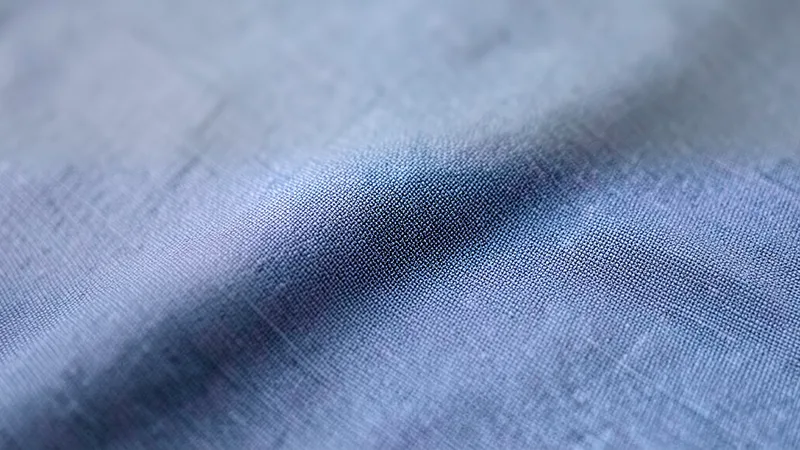
Cotton is a natural cellulose fibre with good moisture absorbency. Assess the fabric’s construction and its performance under the intended working and laundering conditions.
TC and TR are both main uniform fabrics at BCI. Ask BCI to confirm availability and performance requirements for the proposed all-cotton construction.
Routine uniforms vs hazard-rated PPE
Keep the two clearly separate:
- Routine uniforms (office, hospitality, shop or workshop work) — normal fabric orders, with spec and named-standard testing.
- Hazard-rated PPE — flame, chemical or impact resistance come from the product specification and certification, not from fibre content. Do not claim protection from the fibre alone.
Dyeing and fibre class
BCI uses reactive and vat dyes on cellulosic fabrics. The mill should confirm a dye route for the fibre composition, shade and colourfastness requirements.
Give the dyehouse the shade reference, fibre composition and acceptance criteria.
Named test standards to specify
- wash fastness of colour — ISO 105-C06
- washing/drying procedure — ISO 6330
- dimensional change after laundering — ISO 5077
- light fastness — ISO 105-B02 (named grade, e.g. 1–8)
- rubbing fastness — ISO 105-X12 (named grade)
Agree on the test method and acceptance criteria for each required property.
How to brief BCI on a 100% cotton workwear order
- Send a spec or a colour sample — BCI colour-matching starts from either.
- The colour lab uses a spectrophotometer for shade measurement. A lab dip is for shade approval before bulk production; bulk shade is checked against the approved reference. These are separate checks — do not confuse lab dip with bulk or with tests.
- BCI uses three checkpoints: greige inspection before dyeing, in-process control and inspection at packing.
- BCI provides a 10-point system quality report for every lot to record fabric defects.
Specify:
- the workwear's purpose (office, shop, hospitality, warehousing, etc.)
- the named fastness targets and grades for each required test
- the dyestuff class
- fabric weight (gsm) and width
FAQ
What is TC vs TR? TC is a polyester/cotton blend; TR is a polyester/rayon blend. Both are used for workwear and uniforms. The composition is fixed per construction — confirm the exact ratio with the mill or BCI for each order.
Is 100% cotton better than TC or TR? There is no universal answer. The full comparison — fibre, durability, shape retention, cost — is covered in our cotton-vs-blends guide.
Should buyers specify the dye class? Give the dyehouse the fibre composition, target shade and fastness requirements, and agree on a suitable route.
What test standards should go in the spec? Choose methods appropriate to the use and care regime. ISO 105-C06 assesses laundering colourfastness. ISO 6330 sets domestic washing and drying procedures, and ISO 5077 measures dimensional change.
Does 100% cotton prove flame resistance? No. Protection comes from the product specification and certification, not from fibre content. A hazard-rated order needs the named PPE standard, not a fibre claim.
Talk to BCI
Send BCI the planned garment, fabric specification, or a representative swatch for review.
Contact the BCI team or see the uniform fabrics page for TC and TR options.
Sources: